Luxury & Move-Up
How do you prepare a luxury home for sale in the South Sound?
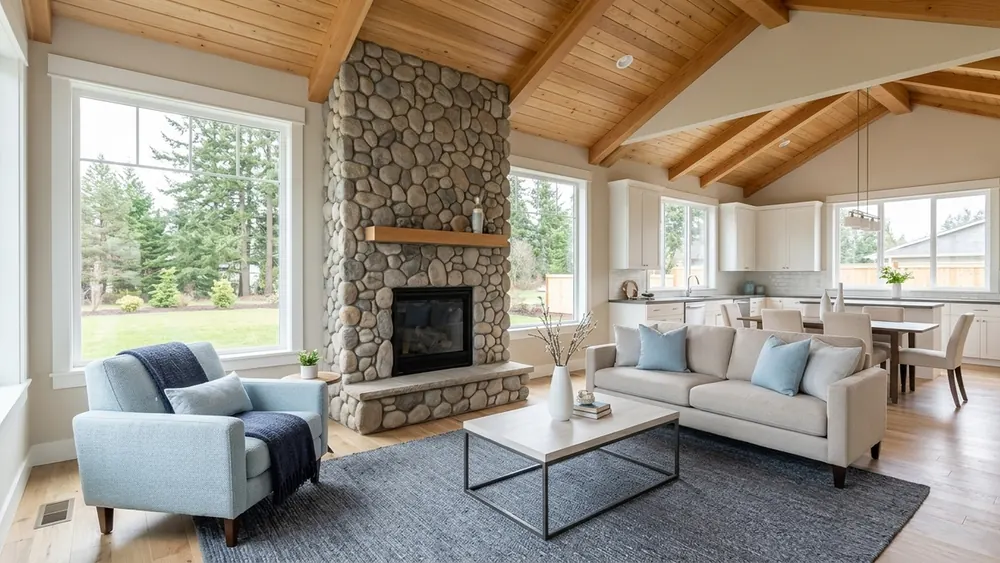
Prepare a luxury home for sale in the South Sound by gathering records, addressing known repairs, planning presentation in clear steps, and settling outside questions early. Pricing is a conversation with Mark based on the home itself.
On this page
Begin with a plan before a listing date
Preparing a luxury home for sale in the South Sound works most smoothly in a set order: gather the records, address the repairs you already know about, plan how the home will be presented, and settle questions that belong with outside professionals. Choosing a listing date comes after those steps, so the date fits the work rather than the other way around. Working in that order also gives you time to make decisions calmly, without having to settle everything at once.
A larger or more finished home often has more to document and more to prepare. There may be systems with service histories, features that buyers will ask about, and rooms that need clearing before they can be photographed. Starting with a plan keeps that work manageable and keeps the final weeks before listing from becoming a scramble. It also gives you room to decide which tasks you will handle yourself and which you would rather hand to someone else.
Mark Queen is a Washington real estate Broker with Compass, based in Tacoma, and works on both the buying and listing side across Pierce County and the South Sound, with current listing posts in Edgewood and Gig Harbor. This guide covers the steps to plan, the questions to settle, and how the pricing conversation works.
Look at the home the way buyers will
Owners know a home through years of living in it, which makes it easy to overlook what a first time visitor will notice. Walk through each room as if you were touring it for the first time. Which spaces feel clear and easy to understand? Which ones are crowded, dated or hard to picture in use? Write down what you see.
Buyers touring a larger home often spend time on the details: how the rooms connect, how storage works, and whether features are in good working order. A home that answers those questions on its own is easier to show. Your notes from the walk through become the starting list for repairs, clearing and presentation, in the order that makes sense. Keeping that list in one place also makes it easier to see how much work is ahead and to plan it across the weeks before listing.
It can help to ask someone you trust to walk through with you and share what they notice. A fresh pair of eyes often catches the small things that have become invisible over time. The aim is not perfection. It is a home that presents clearly and lets buyers focus on how they would live there.
Repairs, records and questions before listing
Start with the repairs you already know about. Items that have been postponed tend to come up during a buyer’s inspection, so addressing them early, or at least understanding them, gives you more control. A licensed home inspector can look at the home before listing if you want a clearer picture of its condition. Whether to do that is your decision.
Gather records for anything a buyer is likely to ask about: service histories, warranties, permits for past work and manuals for specialized systems. Questions about permits or records can go to the county or to the city where the home sits. Having those documents ready makes conversations with buyers clearer and saves time once an offer arrives. If records are missing, note what you know about the work and when it was done, since even partial information is useful.
If a community association applies, ask it what documents a sale will require and how long they take to prepare. Questions about taxes on the sale belong with a tax professional, and anything about ownership or title can go to an attorney. Settling those questions early keeps them from becoming obstacles later in the process. Each of those answers depends on your home and your situation, so they are worth asking directly rather than assuming.
Presentation steps worth planning ahead
Presentation is about helping buyers understand the home, both in photographs and in person. It does not need to be elaborate. A few plain steps, done in order, usually make the biggest difference to how clearly the home reads. Plan them before photography is scheduled, so there is time to finish each one without rushing.
- Clear surfaces and rooms so each space shows its purpose plainly
- Finish small repairs and replace worn items that catch the eye
- Make sure lighting works in every room, including outdoor fixtures
- Tidy outdoor spaces so buyers can picture using them easily
Once those steps are done, the home is ready for photographs and showings. Mark can talk through how listing photography and showings are arranged through Compass, and what to have in place before each. The point of presentation is clarity. It shows buyers what the home offers, and leaves the decision about value to the conversation that follows.
Questions to settle before listing
Some questions are easier to answer before the home goes on the market than after. The table below is a simple map of common questions, why each matters, and who is the right source. Your own home may add rows, and some may not apply. Use it as a checklist rather than a set of rules.
| Question | Why it matters | Who to ask |
|---|---|---|
| What condition issues might a buyer find | It shapes repairs and expectations | A licensed home inspector |
| Are permits on file for past work | Buyers often ask during their review | The county or the city |
| What association documents are needed | They can affect the closing timeline | The community association |
| How does the sale affect my taxes | It can shape timing and plans | A tax professional |
| How should the home be priced | It sets the starting point for buyers | Mark Queen, based on the home |
Working through these questions before listing means fewer surprises once buyers start asking. It also keeps each conversation with the right person. Mark handles the real estate side, including the listing and the offers, and points you to the county, an inspector, an attorney or a tax professional for the questions that belong with them. That way, every question gets a clear answer from the person who is in a position to give it.
How the pricing conversation works
Pricing a luxury home is a conversation, not a formula. Mark looks at the home itself, its condition, its features and how it compares with other homes buyers are likely to consider, and talks through a price that reflects those things. That conversation happens with the home in view, rather than as a figure decided in advance. It is also a conversation you can return to as preparation moves along and the home comes into clearer view.
No preparation step guarantees a particular result, and no honest broker should promise one. What preparation does is let buyers see the home clearly and ask fewer open questions. A well documented, well presented home gives you a clear starting point for the conversations that follow, and a clear basis for weighing any offers you receive. Those offers can then be compared on their full terms, including timing and conditions, not price alone.
Your practical next step
Before a first conversation, gather a few things so the discussion can start from your home rather than from general ideas. You do not need everything in place. A rough set of notes is enough to shape a plan for preparation, presentation and timing that fits your circumstances. Bring what you have, and the rest can be gathered as the plan takes shape. A short list of notes on paper is a fine place to begin.
- A list of repairs you already know about, large or small
- Service records, warranties and manuals for the home’s main systems
- Any community association contact details and documents you hold
- Your preferred timing and any dates that matter for your next move
When you are ready, bring those notes to Mark and talk through preparing your home for sale in Tacoma, Gig Harbor or elsewhere in the South Sound. There is no pressure to set a date or decide on a price in that first conversation. The goal is a clear order of steps and a sense of who answers each question. From there, you can move at a pace that suits your next move.
This article is general information about buying and selling homes in Pierce, King and Thurston Counties. It is not legal, tax, lending, zoning, well, septic or inspection advice and does not predict prices or promise results. Confirm wells, septic and zoning with qualified inspectors and the county, lake and property rules with the municipality and any community association, financing with a lender, and legal or tax matters with an attorney or tax professional. Mark Queen, Compass.

Written by