Luxury & Move-Up
When does it make sense to move up to a larger home in the South Sound?
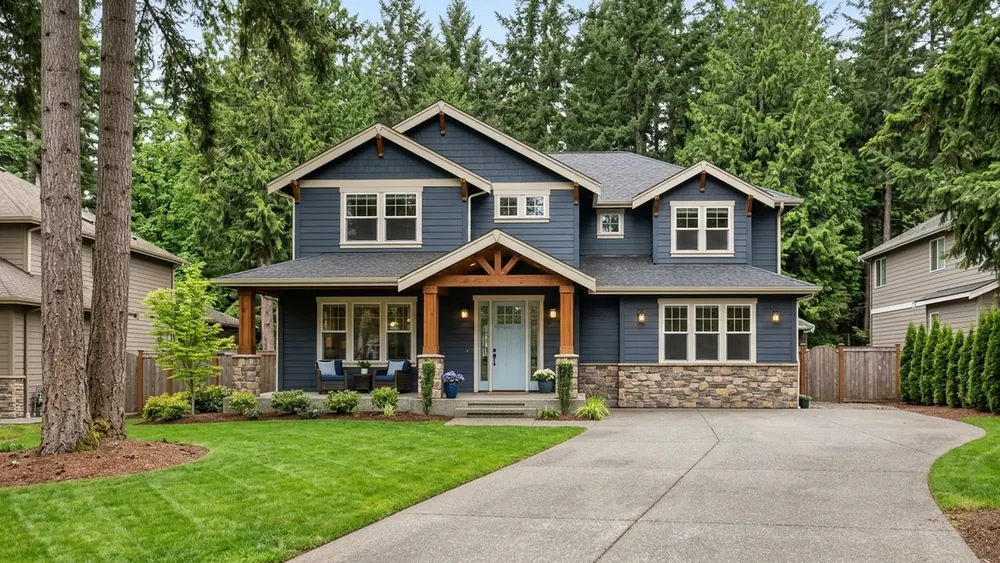
Moving up makes sense when your current home no longer fits daily life, a lender confirms the numbers work for you, and you have a plan for selling and buying. Start from needs, not square footage.
On this page
When moving up starts to make sense
Moving up to a larger home in the South Sound tends to make sense when three things line up: your current home no longer fits how you live day to day, a lender has confirmed the numbers work for your situation, and you have a plan for the order of selling and buying. When all three are in place, the decision becomes practical rather than hopeful. Until then, it is reasonable to keep watching and planning without committing.
This matters because a move up is usually two transactions at once. You are preparing one home for sale while searching for the next, and each step affects the other. Starting with fit, finances and order keeps the move from being driven by a single listing or a sense that you should act quickly. Timing is yours to decide.
Mark Queen is a Washington real estate Broker with Compass, based in Tacoma, and helps people moving up or downsizing across Pierce County and the South Sound, including Puyallup, Bonney Lake and Gig Harbor. This guide walks through how to recognize the signs, what to ask, and how to compare places on terms that match your life. Mark works on both the buying and listing side, which helps when the sale of one home and the purchase of the next need to be planned together.
Signs the current home no longer fits
The clearest sign is everyday friction. Rooms are doing two jobs at once, storage has run out, or there is no space to work, host or simply have some room to yourself. Those frictions build slowly, so it helps to write them down over a few weeks. A list of real moments is more useful than a general feeling that the house is small.
Other signs relate to how life is changing. A growing household, work that now happens at home, or family who visit more often can all change what a home needs to offer. The question is not whether a larger home would be nice. It is whether the current one is getting in the way of the life you have now.
I like to start a move up conversation with what is not working in your current home. That list tells us more about the next one than any wish list.
Separate needs from wants early
Once you know what is not working, sort the next home’s features into needs and wants. Needs fix the frictions you wrote down: another bedroom, a room that can close its door, a layout that works for the way the household moves through the day. Wants are the things that would be pleasant to have but would not change daily life.
This sorting matters because a larger home can bring many tempting extras. Without a clear list, it is easy to stretch for features that will rarely be used. With one, you can tell quickly whether a home solves the problems that started the search, and whether the extras are worth the added upkeep that often comes with more space.
Keep the list somewhere you will see it during the search. Review it after each tour and adjust it if you learn something new. Needs can change as you see real homes, and that is fine. What matters is that the list keeps reflecting your actual priorities rather than the most memorable room from the last showing.
Sell first or buy first when moving up
Most move ups involve choosing whether to sell the current home first or buy the next one first. Selling first gives you a clearer budget, because you know what the current home brought in. Buying first lets you move once and settle in at your own pace. Each order puts pressure in a different place, and neither is right for everyone.
The right order depends on your finances, your timing and how much disruption your household can handle. Could you manage a temporary place to stay? Could you carry two homes for a period? A lender and a financial professional can talk through what is workable. Mark can explain how listing and offers fit together on the real estate side.
Questions for a lender and financial professional
Financing questions are central to a move up, and they belong with a lender who can look at your situation directly. A financial professional can help with how the move fits your longer plans. Bring a short list of questions to those conversations, so you leave with answers you can use when comparing homes and choosing the order of steps.
- What price range is comfortable for us, not just possible
- How the sale of the current home affects the purchase
- Whether carrying two homes for a period is workable for us
- What documents we should gather before we start touring
Having those answers early changes the search. You can tour with confidence about your own limits, and you can focus each showing on fit and condition. It also makes the sell first or buy first decision clearer, because you will know what each option asks of you financially before you are in the middle of it.
Compare places on the same terms
A move up search often spans several places, such as Puyallup, Bonney Lake, University Place or Gig Harbor. Rather than ranking them, compare each home against the same short list of questions. The table below is a simple starting point, with why each question matters and who can answer it. Add rows for anything specific to your household.
| Question | Why it matters | Who to ask |
|---|---|---|
| Does the layout fix our current frictions | It is the reason for moving | You, with Mark Queen |
| What upkeep does the larger home need | More space often means more maintenance | A licensed home inspector |
| What are the taxes and insurance costs | They shape the ownership budget | The county and an insurance agent |
| Does a community association apply | Rules and dues can affect daily life | The community association |
| How do daily trips change from here | Routines matter as much as rooms | You, by testing the trips yourself |
Using the same questions for every home keeps the comparison honest. A home that answers them well in one place and a home that answers them well in another can then be weighed on your terms, not on first impressions. Mark can help you keep notes consistent across tours, so the differences that matter stand out clearly.
Preparing the current home along the way
While you search, the home you are leaving will need some preparation. That might mean repairs that were postponed, clearing rooms that have filled up, and gathering records for systems and past work. Working through it in stages, alongside the search, is usually easier than trying to do it all in the weeks before listing. Gathering service records and notes on past updates early saves effort once buyers begin asking questions.
If you plan to buy first, some preparation can wait until the home is empty, which many people find simpler. If you plan to sell first, it helps to start sooner. Either way, Mark can talk through what buyers are likely to notice and which steps to plan before photographs and showings are scheduled. Planning those steps ahead keeps the sale side of the move from crowding the search for the next home.
Your practical next step
Before a first conversation, write down three things: the frictions in your current home, the needs and wants for the next one, and whether selling first or buying first feels more manageable right now. Add any questions you still need to take to a lender or a financial professional. Those notes give the conversation a practical place to start.
When you are ready, bring your notes to Mark and talk through a move up in Tacoma, Puyallup, Gig Harbor or anywhere across the South Sound. There is no pressure to decide anything on the spot. The aim is to leave with a clear order of steps, a sense of who answers which question, and a pace that suits your household.
This article is general information about buying and selling homes in Pierce, King and Thurston Counties. It is not legal, tax, lending, zoning, well, septic or inspection advice and does not predict prices or promise results. Confirm wells, septic and zoning with qualified inspectors and the county, lake and property rules with the municipality and any community association, financing with a lender, and legal or tax matters with an attorney or tax professional. Mark Queen, Compass.

Written by